About Kington Langley
A historic village in North Wiltshire known for its extensive commons and vibrant community spirit.
Around the village
History & Landscape
Kington Langley is characterized by its large area of Registered Common land, which forms the heart of the village. The village has a long history of independent religious thought, dating back to the 18th century when John Cennick, a friend of the Wesleys, preached on the common.
Earliest history
The first references to the village are found in Saxon times in the period before England as we know it existed. A series of three Saxon charters, the most notable in 940AD, described the boundaries of a small settlement called Langeleyghe, which means ‘long clearing’. This cluster of wooden Saxon dwellings was situated in a clearing on the northern fringe of the now-disappeared Selwood Forest.
Some historians believe that the village’s large open commons may be an echo of this original forest clearing.
The Saxons combined the villages we know today as Kington Langley, Kington St Michael and Langley Burrell into a single community, which produced food for the Saxon royal estate when it was based in nearby Chippenham.
In 940AD, the Saxon king Edmund gave the village and its lands to the powerful Glastonbury Abbey, which owned much property in the area. Historians suspect that a chapel of rest which is now gone but whose basement lies beneath the floor of St Peter’s Cottages on Church Road was built by Glastonbury Abbey.
During Norman rule of England, a fortified manor house was built by the Fitzurse family on land which looks down into the valley occupied by today’s A350 dual carriageway. A member of this family, Reginald Fitzurse, was one of the knights who slew Thomas à Becket in Canterbury Cathedral in 1170, however there is no evidence that Reginald ever lived in the village. It is from this family that the village acquired one of its many names over the centuries: Langley Fitzurse.
Medieval period
In the Domesday Book of 1086, the village is recorded as having 25 households.
Glastonbury Abbey owned the village until the dissolution of the monasteries during 1536–41. Ownership passed to a series of wealthy families. Most notable among these were the Hoptons, the family of English civil war general Ralph Hopton, who owned Fitzurse Manor from 1566–mid-1600s, the Colemans and the Longs. The Colemans built a series of grand properties in the village including Kin House (formerly Greathouse), the Manor House and The Firs. The Longs were based at Draycott House in neighbouring Draycott Cerne.
Eighteenth and nineteenth centuries
For hundreds of years, the village existed as an agricultural settlement – a small village surrounded by farmland with its own drinking houses, blacksmiths, carpenters, shops and a sawmill located on what is now Parkers Lane. Most men living in the village worked in the village.
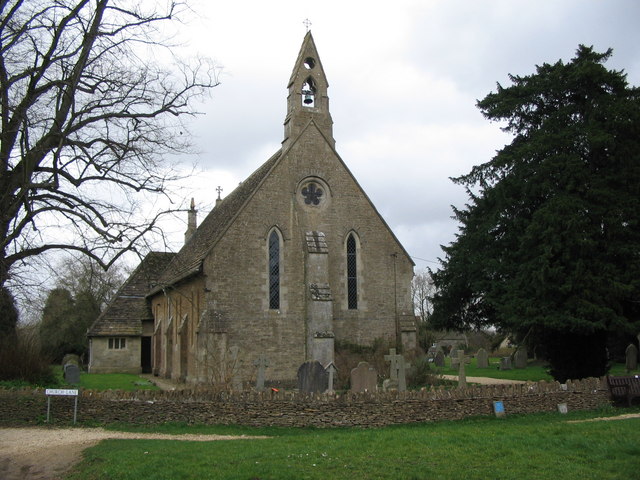
Kington Langley as a village in its own right emerged around 1855 when the village’s own church, St Peter’s, was built and consecrated. Local gentry had become concerned about the behaviour of Kington Langley’s residents, particularly after the Langley Revel in 1822 and the well-documented subsequent Chippenham Riot of the same year in which 30–40 of Kington Langley’s men attacked Chippenham residents, killing two. It was this concern that led to sufficient money being raised to build a church.
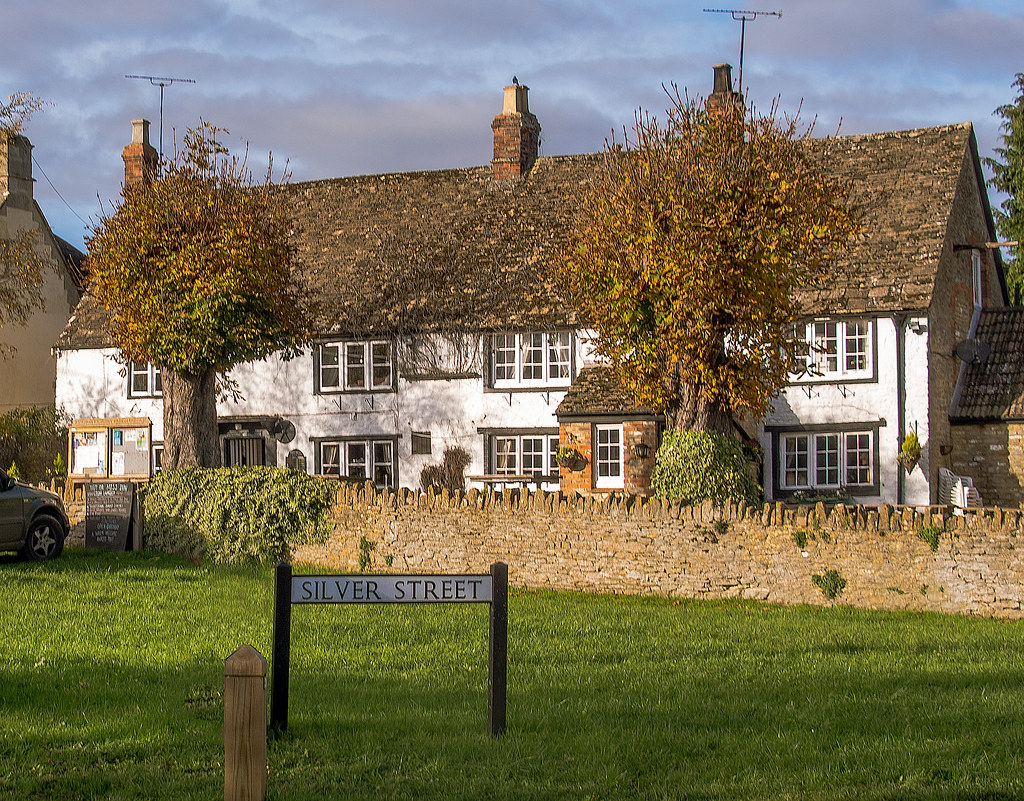
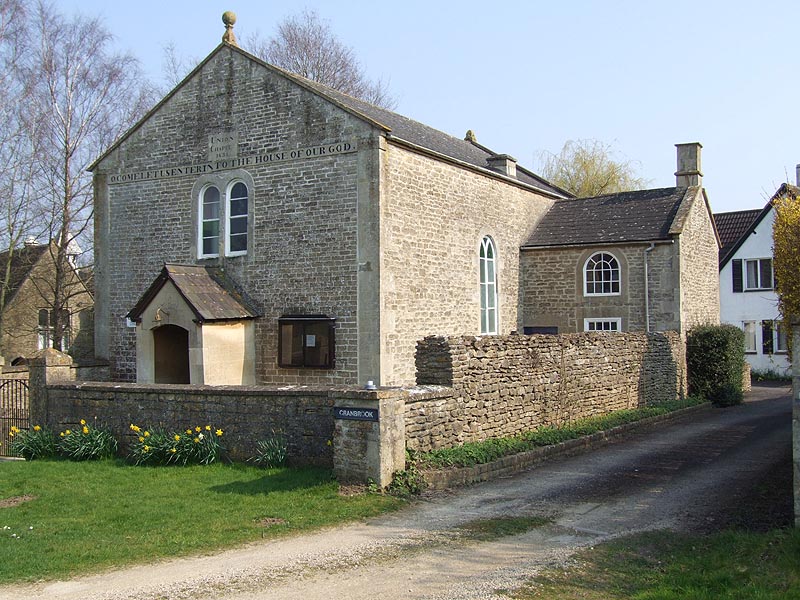
Prior to 1855, the village’s church had been in neighbouring Kington St Michael, where residents of Kington Langley were buried, their coffins carried out of the village along the track still known as Old Coffin Way. There were, however, two nonconformist chapels in the village built by religious dissenters: one on Silver Street, now a residential property, and the Union Chapel on Middle Common, which still serves as place of worship.
The ecclesiastical parish of Kington Langley was created in 1865; the civil parish in 1866.
Twentieth century to today
In the years after the First World War, the Colemans and Longs sold their properties, in common with many other members of England’s landed gentry – and the land was bought by farmers and tenants, who had previously rented.
In 1971 the M4 motorway was completed, connecting the village to a swathe of Southwest England and, with its proximity to Chippenham railway station, making it an attractive home for workers and commuters. Today, the village is a sought-after location for property and home to just over 800 residents.
If you’d like to know more
For more information on the village’s history and its stories, listen to the podcast series Memories of Kington Langley (opens in a new tab).
If you’d like to read a detailed history of the village, the draft version of the new Victoria County History study of Kington Langley (PDF) (opens in a new tab) is available.
Well-known residents
- Norris McWhirter (opens in a new tab) (1924–2004), co-founder of The Guinness Book of Records
- Robin Tanner (opens in a new tab) (1904–1988), artist, etcher, teacher
- Heather Tanner (opens in a new tab) (1903–1993), writer, campaigner
- Harry Dolman (opens in a new tab) (1897–1977), chairman and president of Bristol City Football Club
- Francis Kilvert (opens in a new tab) (1840–1879), diarist, clergyman
Places of Worship
St Peter's Church
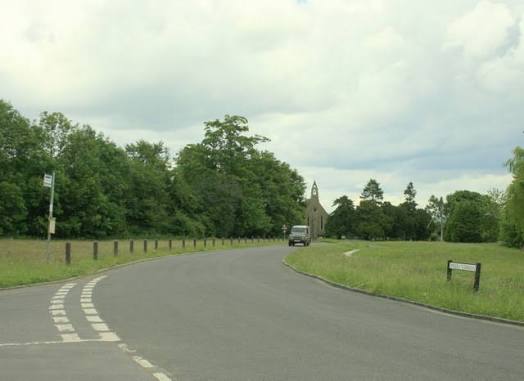
The Anglican parish church, built in 1855, sits prominently beside the common. It features a simple nave and chancel with distinctive lancet windows.
St Peter’s Church (opens in a new tab)Kington Langley Union Chapel
An independent evangelical fellowship registered in 1835 for a united congregation of Independents, Baptists, and Moravians.
Union Chapel (opens in a new tab)Page owner: Village website team · Last reviewed: October 2026